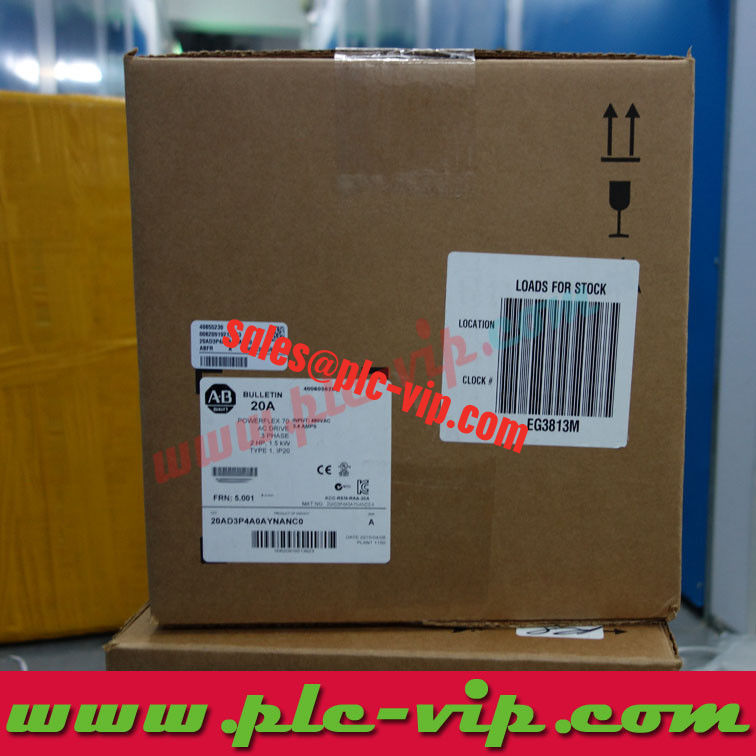
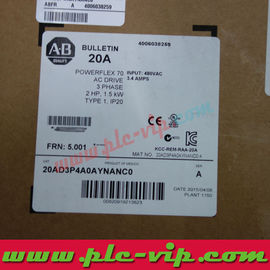
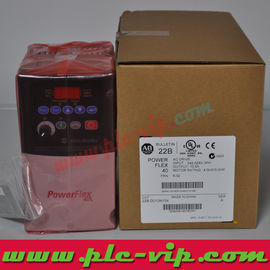
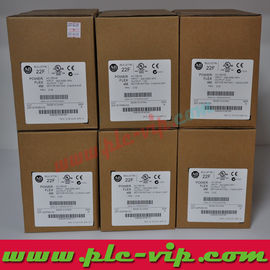
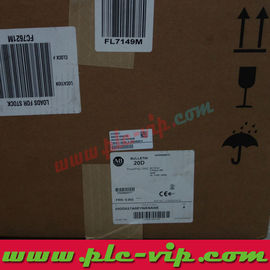
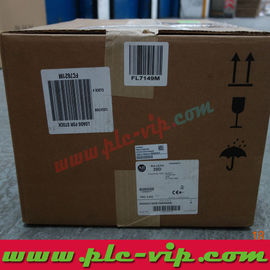
20AB4P2A3NYNNDG1
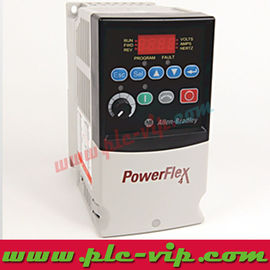
This page documents catalog number 20AB4P2A3NYNNDG1, a PowerFlex 70 drive in the 240V class, rated 0.75 kw, 1.0 hp normal duty, frame a. Every value comes from the normal duty rating table and the catalog number explanation in the PowerFlex 70 user manual; nothing is inferred.
Published rating for this code
| Specification | Value |
|---|
| Catalog number | 20AB4P2A3NYNNDG1 |
| Rating code | 4P2 |
| Frame | A |
| Output current at 240V, normal duty | 4.2 A |
| Output current at 208V, normal duty | 4.8 A |
| Output power, normal duty | 0.75 kW, 1.0 HP |
| Drive family | 20A, PowerFlex 70 adjustable frequency AC drive |
| Voltage class code | B, 240V AC three phase, six pulse |
| Rating table used | Normal duty, 240V and 208V 60 Hz input, as published in the PowerFlex 70 user manual catalog number explanation |
| Control code N | Standard control; no longer available for sale, per the manual |
| Control code C | Enhanced control, without Safe-Off |
| Control code G | Enhanced control with Safe-Off; not available as a factory installed option on 600V ratings |
| Frame letter | Published per rating code; frames group several ratings and set the physical size of the drive |
| Heavy duty ratings | Published separately from the normal duty table in the same manual, and lower for the same frame |
What the published rating decides
Frame A holds the 2P2 and the 4P2 codes, and the published table puts both in the same physical size. A machine that was built with a half horsepower drive therefore accepts a one horsepower drive without a new enclosure, which is a design convenience that quietly raises the heat inside a box that was never calculated for it.
The last characters of this catalog number record the control and I/O option, the brake resistor option, the human interface and the enclosure, each through its own published code table. Two drives with the same 4P2A rating and different trailing characters are the same motor interface and different machines to operate.
The 4P2 code is the smallest normal duty rating in the 240V class and shares frame A with the 2P2 rating.
Sizing, panel and replacement consequences
One horsepower is the published normal duty rating of this code, and four point two amps is its current at 240 volts. The two numbers are the same rating seen from two sides, and the second is what a motor protection calculation uses: a one horsepower motor at 230 volts draws about four and a half amps at full load, which sits above the drive's published 240 volt figure and inside its 208 volt figure.
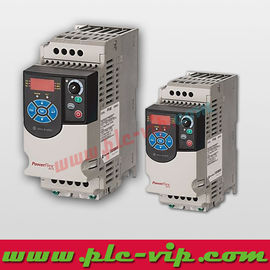
Frame A is the smallest published frame in this class, and the 2P2 rating shares it. Sharing a frame means the same enclosure, the same terminal arrangement and the same mounting footprint, so a panel designed for a half horsepower drive takes a one horsepower drive without a change to the drawing, which is a design convenience with a thermal consequence.
The 208 volt column is higher than the 240 volt column for the same code, four point eight amps against four point two. That is not an inconsistency: the drive delivers the same shaft power, and at a lower input voltage the same power needs more current. A site at 208 volts therefore uses the 208 volt figure for conductor and protection sizing.
Two voltage columns in one rating table is a published admission that the same catalog number means different currents at different supply voltages. A panel built for 240 volts and installed at 208 volts still works, but the current published for that site is the higher column, and the wire and the overload were sized against a number that is no longer the operative one.
Standard control is published as no longer available for sale, which is a lifecycle statement inside a technical table. A spare ordered with a standard control code and a replacement ordered with an enhanced code are the same frame and the same rating, and their parameter sets are not identical.
A frame A drive is small enough to sit inside a machine enclosure rather than in a motor control centre, and the published rating table says nothing about where it may be mounted. The ambient and enclosure conditions are published elsewhere in the same manual, and a drive inside a sealed cabinet is a thermal calculation rather than a plug-in decision.
The normal duty and heavy duty distinction is published as two separate tables, and the same catalog number appears in both with different current values. A conveyor that starts loaded is a heavy duty application, and selecting from the normal duty column is the most common cause of an undersized drive in a plant that otherwise reads specifications carefully.
Six pulse input is the published rectifier arrangement for the 240 volt class, and it is the reason a drive of this size may need an input reactor on a weak supply. A six pulse rectifier draws current in pulses, and the published data describes the drive rather than the supply; whether the supply needs conditioning is a system question.
A braking resistor is a published option for this family rather than a separate product, and a load that has to stop a high inertia needs one. Without it, the drive's published overvoltage trip is the limit on deceleration, and a machine that trips on stop is usually a machine that was commissioned without reading that row.
A one horsepower drive is the size that gets chosen by habit rather than by calculation, and the published current is what makes the habit checkable. Four point two amps at 240 volts against a motor's nameplate full load current is a two minute comparison, and it is the difference between a drive that runs cool and one that trips on overload in summer.
The 4P2 code carries a frame letter and a rating code separately, and the frame letter is what a panel builder needs before the drive arrives. Frame A sets the enclosure dimensions and the mounting pattern, and a panel drawing issued against the wrong frame is a panel that gets modified on the floor.
Published ratings are at a stated ambient and a stated switching frequency, and neither is printed on the drive's faceplate. A drive selected from a table and installed in a hot cabinet is outside the conditions of the table, and the published derating curves in the same manual are the part of the document most often skipped.
The catalog number positions after the rating code describe control and I/O, brake resistor and human interface options, and each has its own published code table. A number decoded from the first seven characters only is a number decoded halfway, and the options are where two drives of the same rating stop being interchangeable.
Normal duty at one horsepower with a published frame A is a small drive in a large family, and the family's value is that the frame, the parameter set and the wiring convention stay the same across a range of ratings. A plant that standardises on this family buys spares that fit several machines rather than one.
Discontinued status is published at the family level rather than per rating, so a code that is still in a distributor's stock may already be a legacy product. The rating table remains the description of what is installed, and it is the row a replacement has to match before anything else is compared.
The other PowerFlex drives and motors in this range are collected in the Drives and Motors category. This drive can be checked against the shop listing at 20AB4P2A3NYNNDG1.