20AB054A3AYNANC0
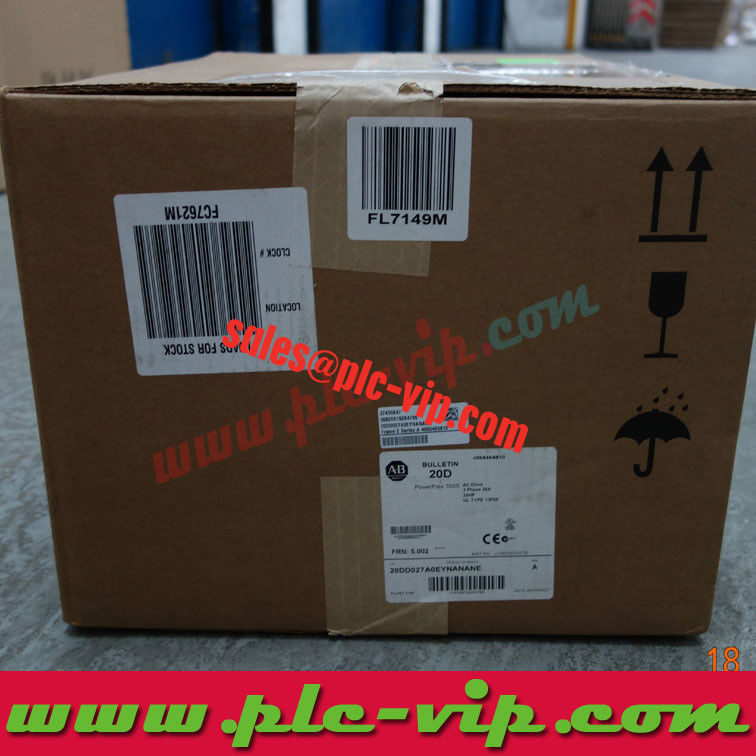
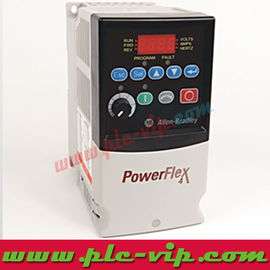
This page documents catalog number 20AB054A3AYNANC0, a PowerFlex 70 drive in the 240V class, rated 15 kw, 20 hp normal duty, frame e. Every value comes from the normal duty rating table and the catalog number explanation in the PowerFlex 70 user manual; nothing is inferred.
Published rating for this code
| Specification | Value |
|---|
| Catalog number | 20AB054A3AYNANC0 |
| Rating code | 054 |
| Frame | E |
| Output current at 240V, normal duty | 54 A |
| Output current at 208V, normal duty | 56 A |
| Output power, normal duty | 15 kW, 20 HP |
| Drive family | 20A, PowerFlex 70 adjustable frequency AC drive |
| Voltage class code | B, 240V AC three phase, six pulse |
| Rating table used | Normal duty, 240V and 208V 60 Hz input, as published in the PowerFlex 70 user manual catalog number explanation |
| Control code N | Standard control; no longer available for sale, per the manual |
| Control code C | Enhanced control, without Safe-Off |
| Control code G | Enhanced control with Safe-Off; not available as a factory installed option on 600V ratings |
| Frame letter | Published per rating code; frames group several ratings and set the physical size of the drive |
| Heavy duty ratings | Published separately from the normal duty table in the same manual, and lower for the same frame |
What the published rating decides
The published table lists this code at fifty four amps on 240 volts and fifty six on 208, and both sit inside frame E with the forty two code. The difference between the two currents is the supply voltage, not the drive, which is why the voltage letter in the catalog number is part of the rating rather than a description of the nameplate.
Twenty horsepower at 240 volts draws roughly fifty two amps at full load on a standard motor, which leaves the published fifty four amps with almost no margin. That margin is where the published heavy duty column becomes relevant, and a drive selected at the normal duty limit has no margin for a load that is anything but steady.
The 054 code is the smallest normal duty rating in frame E at 240V, the frame it shares with the 042 rating.
Sizing, panel and replacement consequences
The published control options include Safe-Off, and at this size a drive often sits behind a guard rather than beside an operator. Safe-Off removes torque without removing power, which changes what a maintenance procedure has to isolate, and the option code is the only record of it.
Fifty four amps is also the size where motor cable length becomes an insulation question rather than a signal question. Published cable limits exist for a reason, and a long run to a roof mounted motor is the case they were written for.
A drive of this rating is frequently the largest single load on a panel, and the published rating table's two voltage columns exist because plants move between supplies. A drive bought for 240 volts and installed at 208 volts is inside its rating only if the higher current column is respected.
The catalog number's later positions record the human interface and the brake option, and two drives with identical rating codes can differ in everything an operator touches. Decoding the number past the rating is how a replacement matches the machine rather than just the motor.
Twenty horsepower at frame E is compact for the power, and the heat it dissipates is published rather than obvious. A sealed cabinet with a drive of this size plus a braking resistor is a thermal design, and a page that states the rating and the options is the input to that design.
Published ratings are at a stated ambient, and the derating curves in the same manual describe what happens as the cabinet warms. The most common mistake at this size is not choosing too small a drive, it is installing an adequate drive in an enclosure that was never calculated.
The family publishes the same rating codes across four voltage classes, which is why the voltage letter matters as much as the numbers. A twenty horsepower 240 volt drive and a twenty horsepower 480 volt drive share a rating description and not a current, and the published tables separate them.
Discontinued status at family level does not change what the installed drive is, and the published rows that survive the electronics are the rating at both voltages, the frame, the control and brake options. Those four are what a maintenance engineer checks before ordering, and they are all published rather than remembered.
Fifty four amps at 240 volts, fifteen kilowatts and twenty horsepower, is the published normal duty rating of this code, and it is the bottom of frame E. The code above it, 042, is eleven kilowatts in the same frame, so frame E covers from fifteen to twenty five horsepower in this voltage class.
The 208 volt column publishes fifty six amps, and a twenty horsepower motor at 208 volts draws close to that at full load. Selecting this drive for a 208 volt site uses the higher column, and a panel wired for fifty four amps is a panel that runs warm from the first day rather than one that fails in summer.
Twenty horsepower is the size where a drive stops being a component and starts being an installation. The published rating is the starting point; the cable, the reactor, the enclosure and the motor insulation are all separate published subjects, and a drive chosen by current alone is a drive chosen halfway.
Frame E shares its footprint between the fifteen and the twenty five horsepower ratings, which means an upgrade reuses the enclosure and a downgrade leaves a drive under loaded. Both are legitimate; the thermal calculation for the enclosure is not the same for both.
Normal duty and heavy duty differ at this size by a whole rating step, and a high inertia fan or a loaded conveyor belongs in the heavy duty column. The published heavy duty figure for this frame is the number that decides whether twenty horsepower is enough, and it is published rather than inferred.
An internal brake resistor is a published option in the catalog number, and at this rating the resistor is doing real work. A drive stopping a loaded conveyor without one is limited by the published overvoltage threshold, and the resulting deceleration time is the machine's real stopping time rather than the programmed one.
Six pulse input at fifty four amps is a meaningful harmonic source, and the published data describes the drive rather than the plant. Whether the supply needs a reactor, a filter or nothing is a system study, and the drive's published figures are the input to it.
The other PowerFlex drives and motors in this range are collected in the Drives and Motors category. This drive can be checked against the shop listing at 20AB054A3AYNANC0.