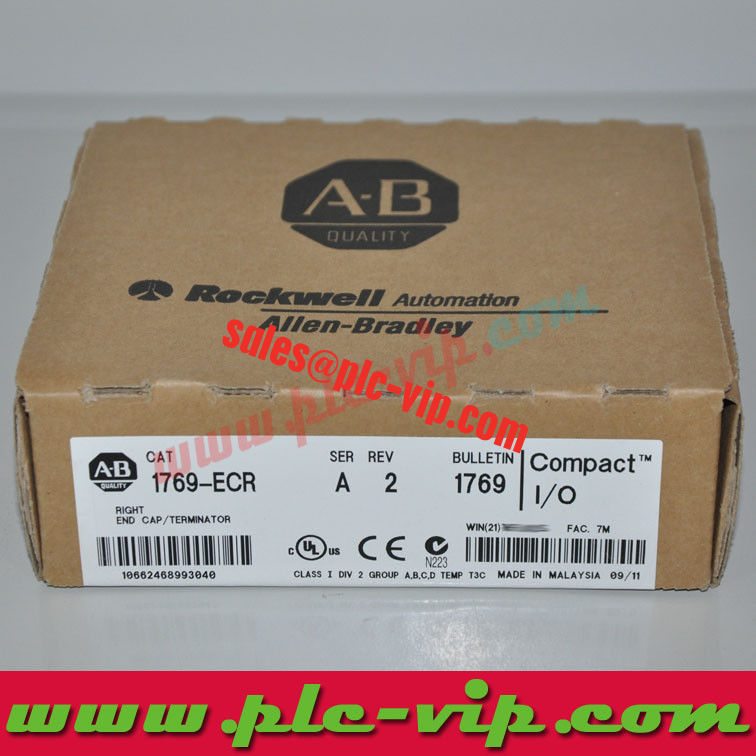
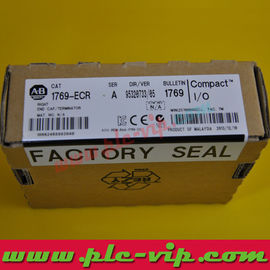
1769-NPK18 / 1769NPK18 CompactLogix Tool Kit
Category:
PLCs, Power Supplies & I/Os
Manufacturer:
Rockwell
Group:
PLC Accessory
The 1769-NPK18 is the CompactLogix tool kit — the small set of tools and connector parts that lets a 1769 module be wired, released and serviced without improvising with a screwdriver.
Tool kits are the least glamorous line on a bill of materials and the one that decides whether a commissioning engineer can finish a rack on site, or has to wait for a part that costs less than the taxi to the airport.
Product Specifications 1769-NPK18 (PDF)
Application |
Tool kit for 1769 Compact I/O modules |
Cat Num |
1769-NPK18 |
Brand Name |
Rockwell |
Type |
Installation and service tool kit |
Used with |
1769 Compact I/O module terminal blocks and connectors |
Attribute values above are reproduced from the manufacturer's product data. For the authoritative technical record see Rockwell publications 1769-TD006 (module specifications) and 1769-SG001 (installation instructions). Certification details, with certificate and file numbers, are listed in the FAQ below.
What a tool kit is for
Connector release and insertion.
Terminal work at the right size. The kit matches the terminal and connector sizes used across the 1769 range, so torque and blade fit are both correct.
Service, not installation only.
Why order it with the hardware
One kit per site.
Small parts, long lead times. Accessories like this are often out of stock locally while the modules are available, which inverts the priority at commissioning.
Keep it with the panel documentation.
Selection and identification
1769-NPK18 for the 1769 range.
Distributor listings describe it as a CompactLogix tool kit.
Do not substitute a generic kit.
Site practice
Assign it to a named engineer.
Include it in the commissioning checklist.
Order one per panel builder, not one per panel.
Commissioning checklist context
Accessories decide whether a rack can be finished.
One kit per build bench.
Order with the first hardware shipment.
FAQ — 1769-NPK18
What is the 1769-NPK18?
The CompactLogix tool kit for 1769 Compact I/O modules, used for connector release and terminal work.
Does Rockwell publish specifications for it?
No. It is an accessory listed by catalog number and description, without a technical data table.
How many tool kits does a site need?
One per build team or service engineer is the practical answer; a single kit serves many modules.
What is the difference between 1769-NPK18 and 1769-NPKL20?
They are separate tool kit catalog numbers; order the one matching the modules being serviced.
Is a generic tool kit acceptable?
No. The kit's value is the correct fit to the 1769 connectors, which a universal kit does not guarantee.
Should the kit be ordered with the modules?
Yes. Accessories are commonly the part that delays commissioning, so they belong on the first order.
Is the 1769-NPK18 consumable?
No. It is a reusable tool kit; the risk is loss rather than wear.
What else belongs in a commissioning spares kit?
End caps such as the 1769-ECR and ECL, terminal blocks, doors and labels — the parts that stop a build when missing.
Data sources. Technical values on this page come from Rockwell publication the Bulletin 1769 Compact I/O accessory listings and 1769-TD008 (Compact I/O power supplies and accessories), current Rockwell Automation documents. Any attribute the publication does not print is marked Not published rather than taken from a distributor page. Catalog number, packaging and stock status are the stock record of this listing.